
Professional Hedge Trimming Services in Northern Beaches
Reliable, Local, and Just One Call Away from Your Neat Yard
Hedge Trimming Northern Beaches
Well-maintained hedges can completely transform the look of your garden. Overgrown or uneven hedges can make any property feel untidy, while neatly shaped hedges add structure, privacy, and curb appeal. That’s where expert hedge trimming in Northern Beaches comes in.
Our hedge trimming services keep your garden looking sharp and well cared for, whether you have a small courtyard hedge, tall boundary hedges, or intricate garden features. By trimming regularly, your hedges grow healthier, denser, and more attractive throughout the year.


Why Hedge Trimming Is Essential
Hedges do more than mark property boundaries. They contribute to the overall health, privacy, and beauty of your outdoor spaces. But without proper trimming, hedges can become:
Overgrown and messy – blocking sunlight from reaching lawns and gardens.
Sparse and patchy – from uneven or irregular cutting.
Unhealthy – due to disease or pests that thrive in untended growth.
Unmanageable – when branches grow too tall or thick to control.
Routine hedge trimming not only improves appearance but also promotes stronger, healthier regrowth. For homeowners in the Northern Beaches, where sea breezes and coastal conditions can stress plants, regular trimming is especially important to keep hedges dense and resilient.
Benefits of Regular Hedge Trimming in Northern Beaches
Investing in proper hedge trimming offers multiple benefits:
Enhanced Garden Appearance
Crisp, clean lines create a more polished look, making your garden feel cared for and welcoming.Increased Privacy
Dense hedges act as natural screens, protecting your outdoor areas from prying eyes.Healthier Growth
Cutting away dead or diseased branches encourages strong, even regrowth and better air circulation.Improved Safety
Overhanging branches can block pathways or driveways. Regular trimming keeps access clear and safe.Property Value Boost
A tidy, low-maintenance yard can increase the visual appeal and market value of your property.

Request A Quote
Complete the form and we’ll be in touch.
Types of Hedge Trimming Services Offered
Every hedge is different, and trimming techniques vary depending on the plant species, size, and the look you want to achieve. We provide tailored hedge trimming services in Northern Beaches, including:
Shaping & Sculpting – For ornamental hedges, creating clean lines or creative shapes.
Height Reduction – Cutting tall hedges down to a manageable size for safety and maintenance.
Thinning Out – Allowing light and air to pass through thick hedges to encourage healthier growth.
Boundary Hedge Trimming – Keeping perimeter hedges neat to avoid disputes with neighbours.
Seasonal Hedge Maintenance – Scheduling trims to match the plant’s growth cycles for best results.
No matter the hedge type—Lilly Pilly, Murraya, Photinia, Boxwood, or native varieties—we provide the right care to keep them looking their best.

How Often Should Hedges Be Trimmed?
The frequency of hedge trimming depends on the type of hedge and its growth rate. As a general guide for Northern Beaches homeowners:
Fast-growing hedges (like Lilly Pilly or Photinia) may need trimming 3–4 times per year.
Slower-growing hedges (like Box or Murraya) usually require 2–3 trims annually.
Formal hedges with sharp lines need more regular trimming to maintain shape.
Informal or natural hedges can be trimmed less frequently while still looking tidy.
Regular trimming prevents hedges from becoming overgrown, making them easier to manage and less costly in the long run.
Hedge Trimming and Lawn Care Go Hand in Hand
A neat hedge is only part of a beautiful outdoor space. Pairing hedge trimming with lawn care services ensures your whole yard stays in top condition. Overhanging hedges often drop leaves and debris that affect lawns and garden beds. By combining hedge maintenance with mowing, edging, mulching, or weed removal, your outdoor areas remain clean, balanced, and healthy.
Homeowners in the Northern Beaches can bundle hedge trimming with:
Lawn mowing services – Keeping grass neat around hedges.
Weeding services – Removing unwanted growth that competes with your plants.
Mulching services – Protecting hedge roots and improving soil quality.
Yard cleanups – Clearing away hedge trimmings and garden waste.
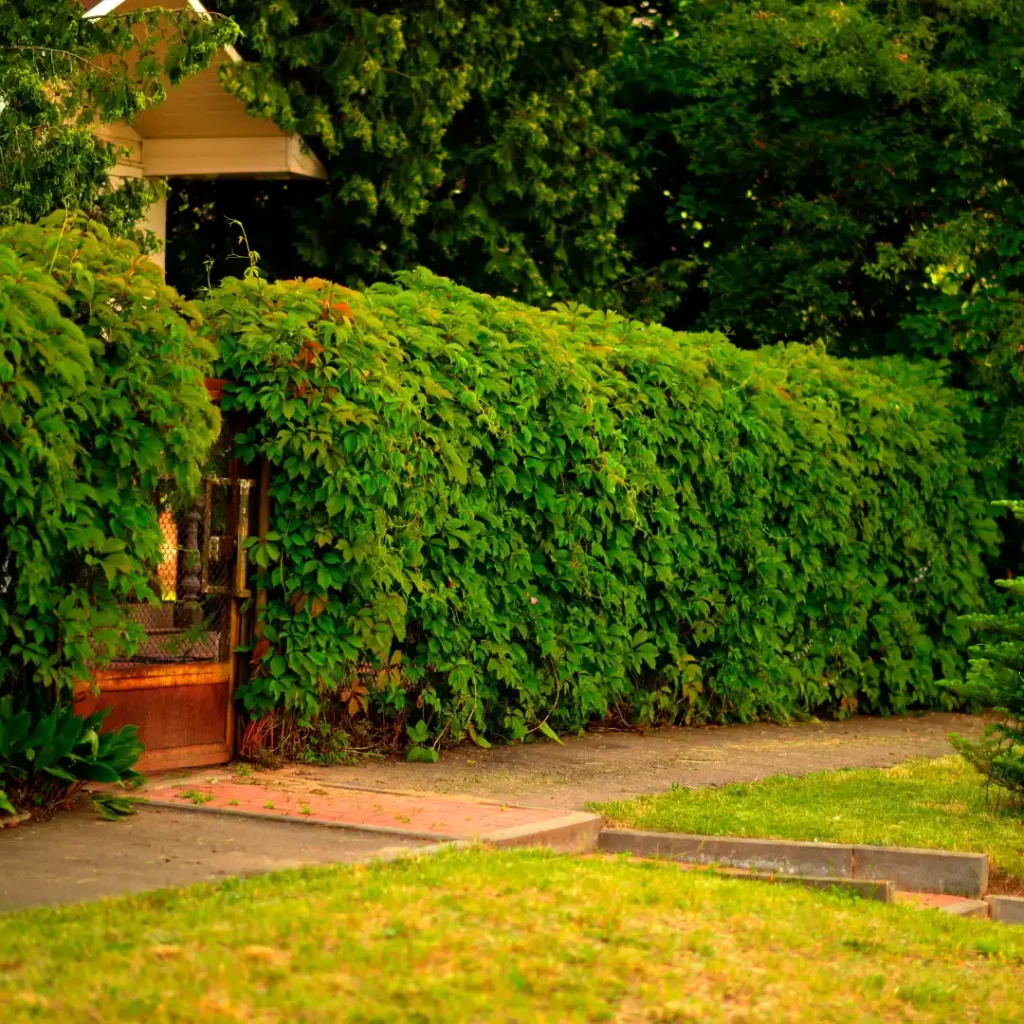

Safety and Accessibility Benefits of Hedge Trimming
Beyond looks, hedge trimming improves safety around your property. Overgrown hedges can:
Obstruct driveways and walkways.
Block street views for drivers.
Provide hiding spots that reduce home security.
Damage gutters, fences, or neighbouring structures.
By keeping hedges under control, you protect your home, your family, and your neighbours while maintaining a tidy street presence.
Service Areas Covered
Our hedge trimming services cover the entire Northern Beaches region. Whether you’re in Manly, Dee Why, Mona Vale, Avalon, Narrabeen, or any surrounding suburbs, your hedges can be shaped, thinned, and maintained to perfection.
Get Your Hedges Trimmed Today
If your hedges are overgrown, blocking views, or making your garden look untidy, now is the time to act. Professional hedge trimming in Northern Beaches will give your outdoor spaces a clean, polished look while improving hedge health.
With tailored trimming schedules and reliable service your garden will look its best. For affordable and local services, contact Northern Beaches Yards
Seasonal Guide to Hedge Trimming in Northern Beaches
Hedges grow differently depending on the season, and understanding the best times for trimming is essential for achieving healthy, dense, and well-shaped results. In the Northern Beaches, the coastal climate influences how hedges respond to trimming. Knowing when to cut, how often to trim, and what methods to use during each season ensures that your hedges remain attractive year-round.
Spring Hedge Trimming
Spring is often the most active growth period for hedges. Warmer temperatures and increased daylight hours encourage rapid regrowth. For many Northern Beaches hedges, such as Lilly Pilly or Murraya, trimming in spring encourages thicker foliage and helps create a solid green screen. A light trim during early spring is usually best—removing just the tips of new growth ensures that plants branch out and fill in any thin spots.
Summer Hedge Trimming
Summer in the Northern Beaches can be hot, dry, and windy, which stresses hedges. During this season, trimming should focus on maintenance rather than heavy cutting. By lightly trimming hedges in summer, you prevent them from becoming overgrown while also encouraging neat growth. It’s also important to water well before and after trimming, as summer trimming can dry out hedges if not properly managed.
Autumn Hedge Trimming
Autumn is an excellent time for more substantial hedge trimming in Northern Beaches gardens. The cooler temperatures reduce plant stress, and hedges can be shaped more aggressively before winter arrives. Autumn trimming ensures hedges maintain their structure throughout the colder months when growth slows down. This is also the best season to reduce hedge height if they have grown too tall.
Winter Hedge Trimming
In winter, growth slows considerably, especially for hedges that are not evergreen. Winter trimming in Northern Beaches is typically minimal—removing dead or damaged branches and maintaining shape until spring growth returns. For evergreen hedges, a light winter trim can still be beneficial, but heavy cutting is generally avoided during this season.
Seasonal Timing Summary
Spring: Promote dense growth.
Summer: Maintain neatness.
Autumn: Reshape and reduce size.
Winter: Light tidy-up and health check.
By following this seasonal guide, property owners in Northern Beaches can keep their hedges strong, healthy, and consistently attractive.


Best Hedge Species for Northern Beaches and How to Trim Them
Not all hedges are the same. Different plant species require unique trimming techniques to thrive in the Northern Beaches environment. Coastal conditions like salty air, sandy soils, and strong winds can impact how hedges grow and respond to trimming. Choosing the right species and trimming them correctly ensures long-term success.
Lilly Pilly (Syzygium species)
Lilly Pilly is one of the most popular hedge choices in Northern Beaches gardens. It grows quickly, offers dense foliage, and provides excellent privacy. Regular trimming (3–4 times a year) keeps Lilly Pilly hedges compact and encourages fresh red or pink new growth. When trimming, it’s important to avoid cutting too deep into old wood, as this can reduce regrowth.
Murraya (Mock Orange)
Murraya is a fragrant and hardy hedge option. It thrives in the Northern Beaches climate and can be shaped into both formal and informal hedges. To maintain a neat appearance, Murraya hedges should be trimmed 2–3 times a year. For best results, trimming after flowering prevents the removal of fragrant blooms and supports dense foliage.
Photinia (Red Tip)
Photinia is known for its striking red new growth, which makes it a favourite for decorative hedges. In Northern Beaches conditions, Photinia responds well to frequent trimming, which encourages vibrant colour. Trim 3–4 times per year, focusing on light cuts that maintain shape and promote red flushes. Avoid harsh cutting during summer, as this can stress the plant.
Boxwood (Buxus species)
Box hedges are ideal for formal gardens and clean lines. In the Northern Beaches, they prefer protection from direct salty winds. Trimming is usually done 2–3 times per year, with precision cuts that maintain sharp edges. Box hedges require careful shaping, as uneven cuts can spoil their appearance.
Native Hedges (Callistemon, Westringia, etc.)
For those who prefer native species, Callistemon (bottlebrush) and Westringia are excellent hedge choices. They adapt well to Northern Beaches conditions, resist pests, and thrive with minimal care. Native hedges often require only 1–2 trims annually to keep them tidy while still maintaining a natural look.
Key Hedge Trimming Tips by Species
Lilly Pilly: Trim frequently, avoid deep cuts.
Murraya: Trim after flowering.
Photinia: Encourage red growth with light trimming.
Boxwood: Precision is crucial.
Natives: Minimal trimming, focus on shaping.
Selecting the right species and applying the proper trimming techniques ensures that hedges not only survive but also thrive in the Northern Beaches environment.
Tools and Techniques for Effective Hedge Trimming
Achieving professional results in hedge trimming requires the right tools and proper techniques. Many property owners in Northern Beaches find that trimming with incorrect tools or using poor methods leads to uneven hedges, patchy regrowth, or even plant damage. Understanding the tools and techniques for hedge trimming ensures consistent and healthy results.
Essential Hedge Trimming Tools
Hedge Shears: Manual hedge shears are great for precision trimming, especially on smaller hedges. They allow control over shaping but can be labour-intensive.
Hedge Trimmers: Electric or petrol-powered hedge trimmers make light work of larger hedges. They are ideal for quick, clean cuts but require steady hands for straight lines.
Pole Trimmers: For tall hedges in Northern Beaches gardens, pole trimmers provide reach without the need for ladders, improving safety.
Secateurs: Hand pruners are useful for cutting thicker branches or shaping finer details.
Ladders & Safety Gear: When trimming tall hedges, sturdy ladders, gloves, and eye protection are essential for safety.
Hedge Trimming Techniques
Top to Bottom Approach: Always start trimming from the top and work down. This ensures debris falls away and prevents branches from catching on uncut sections.
Shaping: Trim the sides slightly narrower at the top than at the base. This “A-shape” allows sunlight to reach all parts of the hedge evenly, preventing thin lower growth.
Frequent Light Trimming: Instead of cutting hedges back drastically once a year, frequent light trims encourage denser growth and prevent shock.
Checking for Level: Use string lines, stakes, or visual markers to keep hedge tops straight and even across the length.
Clearing Debris: Regularly remove clippings during trimming to avoid uneven cuts and keep the work area clean.
Safety Considerations
Hedge trimming in Northern Beaches often involves tall or dense hedges near roads, driveways, or fences. Always ensure:
Ladders are on stable ground.
Power trimmers have sharp blades to reduce strain.
Protective gear (gloves, goggles, ear protection) is worn at all times.
Using the right tools and applying professional techniques not only improves hedge appearance but also ensures plant health and safety during trimming.

Common Hedge Trimming Mistakes and How to Avoid Them
Even with good intentions, many homeowners in Northern Beaches make mistakes when trimming hedges. These errors can damage plants, create uneven shapes, and make hedges harder to maintain in the future. By understanding the most common mistakes and how to avoid them, hedges can remain healthy, attractive, and easy to manage.
Cutting Too Much at Once
One of the biggest mistakes is cutting too deep into hedges during a single trim. This often exposes bare branches that may not regrow, leaving hedges looking thin or patchy. Instead, trim lightly and more frequently to encourage steady regrowth.
Trimming at the Wrong Time
Trimming during extreme heat in summer or heavy frost in winter can stress hedges. In Northern Beaches, the best times for trimming are spring and autumn when conditions are mild. This supports healthy recovery and growth.
Uneven Shaping
Without guides or careful attention, it’s easy to create uneven tops or lopsided sides. Uneven hedges not only look messy but can also grow irregularly in the future. Using string lines or stakes helps maintain straight and even cuts.
Neglecting Lower Growth
Some homeowners trim only the top and sides, forgetting the base of the hedge. This often leads to thick top growth while the bottom becomes thin and sparse. Always trim in an A-shape—wider at the base and narrower at the top—to ensure light reaches all parts of the hedge.
Using Dull Tools
Blunt shears or hedge trimmers tear branches instead of cutting them cleanly. This causes stress to plants and increases the risk of disease. Regular sharpening and maintenance of tools ensure clean cuts that heal quickly.
Ignoring Safety Precautions
Working on tall hedges without proper ladders or protective equipment can be dangerous. Many trimming accidents occur due to unstable footing or lack of eye protection. Safety should always be a top priority when trimming hedges.
Overlooking Debris Management
Leaving clippings around the base of hedges can block sunlight, encourage pests, and harm lawn growth. Always clear away debris after trimming to keep gardens healthy and tidy.
By avoiding these common hedge trimming mistakes, Northern Beaches homeowners can achieve neat, healthy, and long-lasting hedges without unnecessary setbacks.
Frequently Asked Questions
Lawn and garden maintenance usually covers lawn mowing, hedge trimming, weeding, pruning, fertilising, mulching, yard cleanups, and general garden care. Services can be customised depending on the size of your yard and the condition of your lawn and plants.
In the warmer months, lawn mowing is usually needed every 1–2 weeks to keep grass healthy and prevent weeds. During cooler months, mowing can be done less frequently, around every 3–4 weeks.
Regular lawn and garden maintenance improves curb appeal, keeps plants healthy, prevents weeds and pests, reduces safety hazards from overgrown areas, and saves time for homeowners.
Yes, hedge trimming by professionals ensures hedges are shaped correctly, cut at the right time of year, and kept healthy. It also prevents hedges from becoming overgrown and blocking pathways, sunlight, or views.
The best weed control combines hand weeding, mowing at the correct height, mulching garden beds, and applying pre-emergent or selective treatments if needed. Consistency is key to keeping lawns and gardens weed-free.
Spring and autumn are the best seasons for lawn fertilising. In spring, fertiliser encourages new growth after winter. In autumn, potassium-rich fertiliser strengthens grass before winter.
To keep a lawn green in summer, water deeply but less often, mow at a slightly higher level to provide shade, and apply mulch around plants to reduce evaporation. Using drought-tolerant grass varieties also helps.
Mulching helps retain soil moisture, reduces weeds, regulates soil temperature, and improves soil quality as it breaks down. It also gives garden beds a neat, finished appearance.
Yes, yard cleanups are often included in garden maintenance. This can involve removing fallen leaves, branches, overgrown plants, garden rubbish, and preparing outdoor spaces for each new season.
Gutter cleaning is important to prevent blockages, water overflow, and property damage. Many garden maintenance providers also offer gutter cleaning as part of seasonal services.
The Northern Beaches climate, with its coastal winds, sandy soils, and salty air, requires tailored garden care. Lawns and plants benefit from regular watering, mulching, and fertilising to stay healthy in these unique conditions.